All posts filed under: Literature

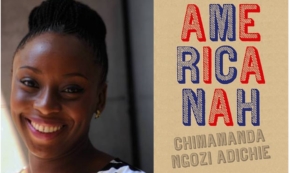
Americanah by Chimamanda Ngozi Adichie

Americanah opens with a hair salon and a major turning point. Ifemelu has decided to close her hugely successful blog, break up with her Black American boyfriend, sell her apartment and (after 13 years away) return to Nigeria. She tells herself there’s no specific cause for the move, just “layer after layer of discontent that settled in her, and formed a mass that now propelled her”. But while she sits in the hairdressers having her hair braided for this monumental trip home, she thinks of the Obinze, “her first love, her first lover, the only person with whom she had never felt the need to explain herself”, and it’s clear part of her homesickness is the longing to see her former flame. Impulsively she fires off an email to Obinze informing him of her return. Cut to Obinze who receives her email as he sits in Lagos traffic. From his reaction we know the feelings are mutual, which is complicated since he is now a husband and father. Amidst the turmoil Ifemelu and Obinze fall …

Chibundu Onuzo talks love in The Spider King’s Daughter

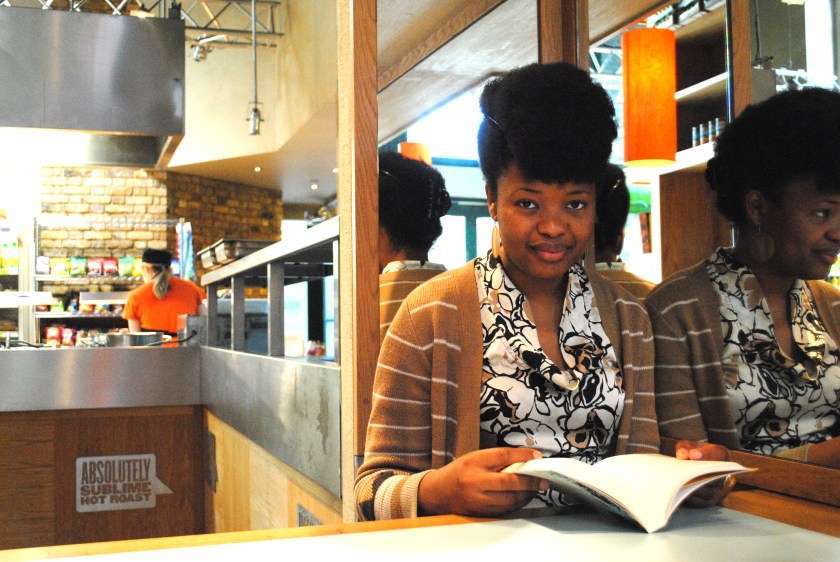
“She doesn’t treat anyone like an equal. That’s the way she’s been brought up. She’s like her father; but she still manages to have moments of kindness.” Chibundu Onuzo is defending the protagonist in her debut novel, The Spider King’s Daughter. She sits opposite me in an airy delicatessen in London Bridge, a fork dancing in her hand, her youthful face animated. She’s supposed to be eating a plate of mushroom pasta, but after I suggest her story of friendship across Nigeria’s economic lines cannot really be a friendship when the rich man’s daughter, Abike, insists on referring to the book’s other central character as The Hawker, denying him an identity beyond his poverty, Chibundu launches an earnest defence. “She was raised in a very unhappy home. I applaud Abike for all her humanity,” she insists. Chibundu is softly spoken and self-effacing. There can’t be many 21-year-old university students who find themselves juggling essay deadlines with promotion for a published novel, and there are certainly no others who can claim to be the youngest female …

The Help by Kathryn Stockett

If you took GCSE English then chances are you’ve read a Mildred D Taylor novel. My sister and I were ahead of the curve. I read everything she read and since our Nigerian parents restricted our movements to school, Safeway and the local library, I’d read everything Taylor had published long before I stepped foot in secondary school. It was in her books I first heard of segregation. It took me a while to make the connection and understand that parallel to the dirt-poor Waltons who lived on Waltons’ Mountain and whom we watched religiously on a Sunday morning, were black communities languishing under the mass deception of ‘separate but equal.’ Yet while Taylor’s narratives engaged me, it was her authorial voice, the musicality of a unique English dialect that enthralled me. She stood on the shoulders of Zora Neale Hurston and Alice Walker in telling stories in that colourful, metaphorical voice intrinsic to the Deep South. I hadn’t planned on reviewing The Help for this site. A story about African American maids written by …